What are the overwhelming benefits of the "Airflow Construction Method" that overcomes the fog and cold of Karuizawa?

── The best construction method for moving to Karuizawa and staying at a vacation home comfortably

Hello to everyone considering living in Karuizawa or building a vacation home. As a housing coordinator with deep knowledge of Nagano Prefecture's climate, I'd like to offer a professional perspective on why the latest technology, the "Airflow Construction Method," which will be fully implemented in October 2025, is ideal for this special place.
In the longed-for life in Karuizawa, two things are unavoidable: humidity (mold) and harsh winters. We will introduce an innovative system that solves these problems through the structure of the building, rather than relying solely on machinery.
INDEX
・Solving the mold and humidity problems unique to Karuizawa through the structure
・It's like changing the house's clothes. Switch between summer and winter modes
・Why the "Airflow Method" in Karuizawa now?
Q&A for those who want to know more about the Airflow Method
Q1. I want to know the concept of a passive solar house!
Q2. Why natural materials and airflow construction methods go well together!
Q3. I want to know how the "two-layer ventilation layer" works, which is effective in preventing mold!
Q4. I would like to know the specific mechanism by which diatomaceous earth walls allow moisture to escape into the inner wall ventilation layer!
Starting in October 2025.
"Airflow Construction Method" that achieves high thermal insulation performance
To date, our company has built 1,500 homes using the "Air Pass Solar Method," which utilizes natural energy, as our standard method. However, in order to achieve even higher performance, we have completely switched to the "Air Flow Method" from October 2025.
By combining LIXIL's high-performance triple-pane sash "TW" with the latest sheet insulation materials such as Miraform and Neomaform, you can spend Shinshu's harsh winters more comfortably and with more energy savings.
Solving Karuizawa's unique mold and humidity problems through structural solutions
Karuizawa has 132 foggy days a year, far more than Tokyo (1 day) or Matsumoto (7 days), and humidity is a home's biggest enemy. This is why many second-hand homes complain of a moldy smell when they return after a long time.
The Airflow method inherits the "two-layer ventilation layer" that is the core of the Airpass method.
Exterior wall ventilation layer : Allows air to constantly pass through the building to release moisture, protecting important structural materials from decay.
Inner wall ventilation layer : By allowing air to circulate smoothly within the wall, even the inside of the closet, where moisture tends to accumulate, is kept dry, preventing the growth of mold.

It's like changing the house's clothes. Switching between summer and winter modes
The airflow method is a hybrid method that combines the "passive" approach of opening and closing ventilation vents according to the season with efficient air circulation (fans).

Winter mode (warmth from the sun): The attic and underfloor vents are closed , and the air in the attic warmed by the sun is sent to the underfloor space by a circulation duct fan . This prevents the Karuizawa cold from the floor and creates an environment with little temperature difference no matter where you are in the house.
Summer mode (cool shade): Open the ventilation vents and turn off the fan. This allows the heat and humidity rising inside the walls to be naturally expelled from the attic, creating a refreshing indoor space reminiscent of the highlands without relying too heavily on air conditioning.
Why the "Airflow Method" in Karuizawa now?
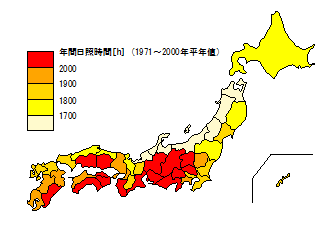
Karuizawa has some of the longest hours of sunshine in Japan, making it an area that can easily benefit from solar energy. The Airflow method is based on the concept of a "passive solar house" that makes the most of this natural energy.
Instead of a highly airtight house like a "thermos" that relies too much on mechanical equipment, we want to experience the rich four seasons of Shinshu firsthand, while maintaining a healthy and long-lasting building. This is the main reason for choosing the Airflow construction method.
The peace of mind of "high insulation performance" and "breathing structure" that can withstand humidity.
If you are considering moving permanently or building a vacation home in Karuizawa, we encourage you to come and experience the comfort of our showroom. We will provide you with suggestions based on the latest insulation simulations.
We will support you in achieving your ideal Karuizawa life with the latest technology.
◆Q&A for those who want to know more about the Airflow Method
Q1: I want to know the concept of a passive solar house!
Q2: Why natural materials and airflow construction methods go well together!
Q3: I want to know how the "two-layer ventilation layer" works, which is effective in preventing mold!
Q4: I would like to know the specific mechanism by which diatomaceous earth walls allow moisture to escape into the inner wall ventilation layer!
Q1: Please explain the mechanism behind the "two-layer ventilation layer" that is effective in preventing mold.
We will explain from a professional perspective the mechanism of the ``two-layer ventilation layer'', which is extremely effective in preventing mold.
In Nagano Prefecture, especially in humid areas like Karuizawa, it is essential to "let moisture escape" and "prevent stagnant air" in order to prevent mold growth. The two-layer ventilation layer used in the Airflow Construction Method (and the Airpass Solar Construction Method on which it is based) solves this problem by allowing the structure of the house itself to "breathe."
1. "Two-layer ventilation layer" structure
Separate air passages are provided on the outside and inside of the building, separated by insulation.
Exterior wall ventilation layer (outside of the building) : Located between the exterior wall material and the insulation, this layer constantly allows air to pass through, allowing moisture to escape from the building and playing an important role in protecting the structural materials from decay .
Inner wall ventilation layer (inside the building) : Located between the insulation and the inner wall (plasterboard, etc.). It provides a route for air to circulate smoothly throughout the house, and the airflow carries heat upward before it is transferred to the inner wall , preventing temperature differences and humidity buildup within the house.
2. Why is it effective against mold?
There are three reasons why this mechanism directly contributes to mold prevention.
Utilizing the principle that "when the temperature rises by 1°C, the relative humidity drops by 5%" : By allowing air to flow through the inner wall ventilation layer, the temperature is kept roughly the same throughout the house, even in the toilet and bathroom on the north side, and even inside the closet . Stable temperatures reduce the relative humidity, preventing the creation of a humid environment that mold prefers.
Forced release of moisture through "season change" : In summer mode, the attic vent and underfloor vent are opened. The air in the ventilation layer, warmed by solar heat, rises, expelling the heat and humidity trapped inside the building from the attic in one go . This keeps even the inside of closets dry, and has the effect of making futons fluffy.
Preventing condensation inside walls : The two ventilation layers keep air moving constantly, suppressing condensation inside walls (internal condensation), a common problem in typical airtight homes. Because internal condensation is a major cause of mold and mold-causing decay of structural materials (steam rot), keeping this area dry also contributes to the longevity of the home.
3. Key points of the evolved airflow construction method
The airflow construction method , which was fully implemented in October 2025, inherits the excellent passive technology of this two-layer ventilation layer, and by operating a circulation duct fan in winter, it more efficiently controls the air and temperature throughout the house, increasing comfort.
Rather than relying excessively on mechanical equipment, these kinds of ideas - "utilizing natural energy in the construction of the building itself" - are the key to protecting homes and health from the harsh Shinshu climate.

The structure of the building itself cuts out peaks in heat and cold
Q2: What is the concept of a passive solar house?
A passive solar house is a concept that utilizes natural energy such as solar heat, wind, and geothermal heat through the structure and ingenuity of the building itself , rather than relying on special mechanical equipment.
Based on the sources, we will explain its main ideas and features in the following three points.
1. Solving the problem with the construction of buildings, not machines
The key to a passive solar house is not to install high-tech equipment, but to design the layout and structure so that heat and air are distributed efficiently throughout the house .
Difference from active solar : While active solar is an "active" method that converts energy using devices such as solar panels, passive solar aims to achieve a natural thermal environment with almost no maintenance.
Environmental symbiosis : Rather than closing off the interior like a thermos, we place importance on incorporating the natural environment into the home and making good use of it.
2. A mechanism for controlling the forces of nature
By "changing the clothes" of the building, we create the optimal indoor environment for each season.
Winter use : By collecting solar heat through the roof and walls and retaining and circulating the warm air within the walls, the entire house is kept as warm as a sunny spot.
Summer exhaust : Heat and humidity from the sun are carried by rising air currents and exhausted from the attic to the outside. This minimizes the use of air conditioners and provides a cool feeling similar to being in the shade.

3. Improved health and endurance
Utilizing natural energy not only saves energy but also improves the performance of your home.
Prevents condensation : By constantly circulating air within the walls, moisture is expelled, protecting the structural materials and preventing the growth of mold.
Eliminates temperature differences : Warm air circulates throughout the house, reducing the temperature difference between unused rooms, such as toilets and bathrooms on the north side, supporting a healthier lifestyle.
The "air flow method" and "air path method" that we have talked about so far are typical methods that embody the concept of passive solar houses.
Q3: I would like to know how natural materials and the airflow construction method work together.
Natural materials and the Airflow method (and the Airpass method that underlies it) are a highly compatible combination that maximizes the advantages of each.
We will explain from a professional perspective why this combination is not only ``healthy'' but also excellent in terms of building durability and comfort.
1. "Breathing walls" create synergy in humidity control
The main feature of the Airflow method is that it has an "inner wall ventilation layer" inside the wall. By combining this with natural materials such as diatomaceous earth and solid wood , the humidity control performance of the entire house is dramatically improved.
Breathable : Diatomaceous earth walls absorb and release moisture from the room through tiny, invisible pores. This moisture passes through the wall and is released into the inner wall ventilation layer behind it, keeping the room dry at all times.
Suppression of mold and dust mites : The moisture-regulating properties of natural materials, combined with the moisture-exhausting properties of the breathable layer, prevent the accumulation of moisture that can lead to the growth of mold and dust mites.

The walls and ceiling are made of diatomaceous earth

Solid wood flooring: mountain cherry
2. Keeping trees healthy and extending the lifespan of your home
The biggest enemy of natural materials, especially solid structural and interior materials , is "decay due to moisture." The Airflow Construction Method solves this problem from the structural point of view.
Maintains dry wood : Two breathable layers allow constant air flow and moisture to escape, so the wood inside the wall is always kept at an ideal dry state with a moisture content of 11-13% .
Termite prevention : Maintaining a dry environment directly prevents damage from termites, which prefer moisture, and helps homes made from natural materials last longer.
3. Maximizing the comfort of "living barefoot"
Solid wood floors and airflow construction are an exceptional combination when it comes to spending a comfortable winter in Shinshu.
Eliminates uneven floor temperatures :
In typical homes, floors tend to get cold even when heating is turned on, but the airflow method circulates warm air under the floor in winter mode, evenly raising the surface temperature of the floor, walls, and ceiling .
Living barefoot even in winter
The warmth of the wood itself, combined with the temperature stability achieved through the construction method, makes it possible to live comfortably without slippers, even in the harsh winters of Shinshu.

4. A truly healthy home free of chemicals
The airflow construction method places emphasis on air circulation that conforms to the laws of nature rather than mechanical ventilation.
VOC countermeasures : By using natural materials (domestic timber and natural paints), we reduce the generation of chemical substances (VOCs) that cause sick building syndrome.
Clear air : Air circulates throughout the house, including within the walls, and even moves into closets, so the entire home is filled with fresh, clear air.
summary
Natural materials allow the material itself to breathe, while the Airflow method allows the entire building to breathe. The combination of these two techniques prevents deterioration of materials, protects the health of residents, and creates a comfortable living space that is perfectly suited to the Shinshu climate .
Q4: What is the specific mechanism by which diatomaceous earth walls allow moisture to escape into the inner wall ventilation layer?
The specific mechanism by which diatomaceous earth walls allow moisture to escape into the inner wall ventilation layer is achieved by combining the material's **"breathability (breathability)" with the "internal wall structure"** that is unique to the Airflow method (and Airpass method) .
The specific mechanism based on the source is as follows:
1. Passage through tiny holes in the material
Diatomaceous earth and the underlying gypsum board contain countless tiny holes (pores) that are invisible to the naked eye.
Size difference : The size of a water molecule is approximately 3.8/10,000,000 mm , while the size of a hole in diatomaceous earth or plasterboard is approximately 5/100,000 mm , which is roughly 100 times larger.
How moisture permeates : Due to this huge difference in size, indoor moisture (water molecules) can easily pass through the diatomaceous earth layer and even through the plasterboard underneath.

2. Release into the inner wall ventilation layer
Moisture that passes through the plasterboard is released into the ``inner wall ventilation layer (internal ventilation layer)'' located between the plasterboard and the insulation.
The walls used in the airflow construction method are constructed from the inside of the room in the following order: diatomaceous earth (finishing material) → gypsum board → inner wall ventilation layer → insulation material.
Vinyl wallpaper, which is commonly used in airtight homes, blocks ventilation, but natural materials like diatomaceous earth do not hinder breathing, allowing moisture to move smoothly into the walls.

3. Exhaust moisture through airflow
Moisture released into the ventilation layer does not remain there, but is carried away by the air currents flowing through the layer.
Summer Exhaust : In summer mode, the air in the ventilation layer is heated by the sun and becomes an updraft, carrying moisture with it and expelling it outdoors through the attic vent.
Air circulation : Air constantly circulates smoothly within the wall, preventing moisture from accumulating in one spot and causing condensation and mold.

4. Physical reasons for the decrease in humidity
The airflow method is designed to keep the temperature even throughout the home.
Decrease in relative humidity : As a physical phenomenon, when the temperature rises by 1°C, the relative humidity decreases by 5%.
Synergistic effect : The mechanism by which diatomaceous earth allows moisture to escape, combined with the construction method that stabilizes temperature and reduces humidity, creates an environment that keeps the inside of the closet dry.
In this way, the specific mechanism for allowing moisture to escape is to create a wall using a material with holes much larger than water molecules, and ensure that there is a path for air to flow (ventilation layer) on the back side .
For specific measures against moisture and condensation, please see this article.
We look forward to seeing you at the "Kobo Shinshu no Ie" Karuizawa showroom !


While we are architectural professionals such as designers and construction managers, all of our employees act as "Shinshu concierges" to support a rich life in Shinshu.


Comments